Rodent Control
Rat and Mouse Entry Points in South Florida Homes: What to Check First
By A&A Total Pest Solutions
A scratching sound above the ceiling. Small dark droppings behind a cabinet. A bag of pet food that appears to have been chewed. Rodents often leave clues before people see the animals themselves. For South Florida property owners, those clues are a reason to investigate both what is happening inside and how pests may be entering the building.
Homes and businesses in Fort Lauderdale, Pembroke Pines, Miramar, and nearby communities have many potential openings around roofs, garages, doors, and utility lines. Rodents only need an opportunity, and the most useful response combines identification, exclusion, and reduction of food and shelter.
Quick answer: Where do rats and mice get into Florida homes?
Common access points include roofline gaps, damaged soffits, attic vents, spaces beneath doors, garage-door edges, and openings around plumbing, electrical, or AC lines. Mice can fit through openings as small as about one-quarter inch, according to the CDC. A professional rodent inspection looks for entry routes and activity signs before recommending next steps.
1. Roof edges, soffits, and attic vents
Rodents can use branches, rooflines, and nearby structures to reach openings above the ground. Gaps near roof edges, loose soffit panels, damaged vent screens, and openings around roof penetrations are worth evaluating.
Clues may include sounds in the attic, droppings, nesting material, or gnaw marks. Avoid walking an unsafe roof or entering contaminated attic areas yourself. A technician can inspect accessible sections and recommend appropriate repair or exclusion measures.
2. Garage doors and exterior door gaps
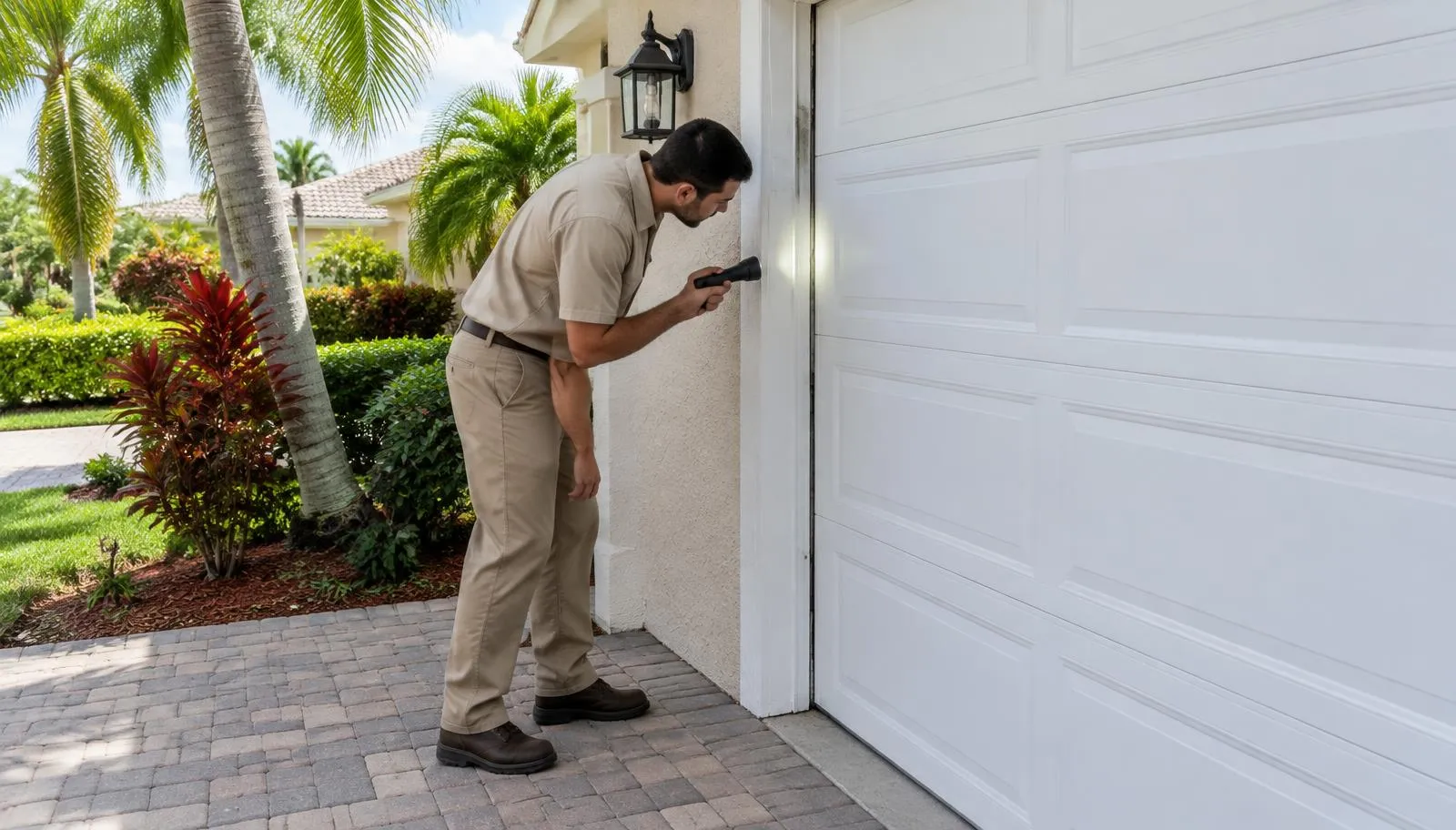
A garage is an easy place to miss a problem. Weatherstripping wears out, door sweeps become damaged, and a door may not seal evenly against the floor. Stored food, pet supplies, cardboard, and clutter can make the space attractive once a rodent enters.
Check whether light is visible around closed doors, whether seals are missing, and whether food is stored in sturdy closed containers. These are useful prevention checks, though any sealing work should be planned with an understanding of active rodent movement.
3. Openings around pipes, cables, and equipment
Utility penetrations create openings where lines pass through walls and cabinets. Areas around plumbing under sinks, laundry connections, outdoor equipment, and electrical conduits are especially important during a rodent survey.
Seal appropriate gaps using durable, pest-resistant materials. Do not pack material into electrical equipment, block required ventilation, or change equipment clearances. Ask a licensed trade professional to handle repairs involving electrical, mechanical, or structural systems.
4. Gaps near foundations and exterior storage
Rodents can move beneath or behind stored materials near foundations, fences, and sheds. Dense vegetation, fallen fruit, unsecured trash, and pet food left outdoors may provide resources that encourage repeated visits.
Make the exterior less appealing by trimming vegetation when appropriate, reducing clutter, securing garbage containers, and relocating stored materials away from exterior walls. These actions support exclusion but do not remove animals already inside a building.
Five warning signs of rodent activity
- Droppings: Small, dark pellets around cabinets, pantries, garages, or attics can indicate activity. Size and shape vary by animal, so do not identify a species from droppings alone.
- Gnaw marks: Chewed packages, wood, and other materials can point to rodent activity. Damaged electrical wiring deserves prompt attention from a qualified electrician.
- Scratching or movement sounds: Repeated noises in a ceiling or wall may have several causes, including rodents or other animals. The timing and location can help an inspector narrow down the source.
- Nesting material: Shredded paper, insulation, or fabric in protected areas may indicate that a rodent has established shelter.
- Rub marks and travel pathways: Repeated movement along surfaces can leave marks or other evidence that helps a technician trace access routes.
A single clue does not always confirm a current infestation. The combination of evidence and location is more useful than guessing based on one sound or stain.
What should you do if you find rodent droppings?
Treat the area with care. Do not dry-sweep or vacuum droppings, because that can put contaminated particles into the air. The CDC recommends using gloves, thoroughly wetting droppings with an appropriate disinfectant, following the product's contact-time instructions, and wiping them up safely. Extensive contamination, difficult-to-access areas, or HVAC system involvement may require specialized professional assistance.
Keep children and pets away from affected areas until they have been addressed. If there is an active problem, cleaning alone is not enough; the source and entry routes still need attention.
Why trapping alone may not solve a rodent problem
Removing animals without addressing access can leave a building open to additional rodents. Conversely, sealing openings without considering active animals inside can create new problems, such as trapping animals in inaccessible spaces. A coordinated strategy evaluates the population, entry points, and timing of exclusion and control.
A professional may recommend inspections, targeted removal or control methods, entry-point repairs, sanitation changes, and monitoring. The exact steps should depend on what the inspection shows and the structure's conditions.
A&A Total Pest Solutions offers rodent inspections and control services in South Florida, including surveys for droppings, nests, rub marks, pathways, and entry points around doors, garages, vents, and utility lines. The company provides clear findings and practical prevention recommendations so property owners can make informed decisions. For other household pests, see our pest control services.
Frequently asked questions about rats and mice
Can mice really enter through a tiny hole?
Yes. The CDC notes that a mouse can fit through a hole approximately one-quarter inch wide, about the width of a pencil. Small utility or trim gaps are worth checking.
Are noises in the attic proof of rats?
No. Several animals and building conditions can cause noises. Inspectors look for corroborating signs such as droppings, tracks, gnaw marks, or entry routes.
Can I vacuum rodent droppings?
No. Do not vacuum or dry-sweep droppings before proper disinfection. Follow CDC cleanup guidance to reduce the risk of making contaminated particles airborne.
Does sealing a hole mean rodents are gone?
Not necessarily. Animals may still be inside, and other openings may remain. Exclusion should be coordinated with an assessment of active movement and appropriate control.
Do condos and commercial buildings need rodent inspections too?
Yes. Shared utility areas, storage spaces, service entrances, and loading areas may create access routes that require coordinated property management and inspection.
Helpful resources
Schedule a Rodent Inspection in Fort Lauderdale
If you are hearing movement in walls, finding droppings, or noticing chewed materials, the sooner you understand the source, the easier it is to plan a response. A&A Total Pest Solutions serves Fort Lauderdale and communities throughout Broward, Palm Beach, and Miami-Dade counties — see our service area. Request rodent control or call 954-393-4088 to discuss an inspection and prevention plan.