Mosquito Control
Why Mosquitoes Keep Coming Back to South Florida Yards
By A&A Total Pest Solutions

You empty a bucket, clean the patio, and still get bitten when you step outside. For many South Florida homeowners, mosquito activity feels like a problem that returns as quickly as it disappears. The combination of warm conditions, shaded vegetation, and small water-holding spaces means a yard can remain attractive to mosquitoes even when it looks tidy.
Whether you live in Fort Lauderdale, Pompano Beach, Hollywood, or another part of Broward County, the most effective starting point is to understand where mosquitoes breed, where they rest, and what can be changed around your property.
Quick answer: What is the best way to reduce mosquitoes in a Florida backyard?
Start by emptying and scrubbing standing-water containers every week, maintaining screens, and addressing shaded resting areas around the home. When mosquitoes remain a problem, professional mosquito control can target appropriate resting areas and provide property-specific recommendations. A treatment alone cannot eliminate every mosquito that flies into an outdoor space.
Why mosquitoes return after you clean the yard
Mosquitoes do not need a large pond to reproduce. Depending on the species, water collected in flowerpot saucers, toys, discarded cups, tarps, or clogged gutters may support breeding. A yard may look dry at eye level while several small containers retain water behind planters or beneath outdoor furniture.
Adult mosquitoes may also rest in vegetation and sheltered, humid areas between feeding periods. If you only address one source, mosquitoes may continue arriving from another corner of the property or nearby surroundings.
This is why a useful mosquito plan has two parts: reduce breeding sites and address places adults rest. It also takes continued attention after rainfall or irrigation.
Seven places to check for standing water
1. Plant saucers and decorative containers
Planters on patios and balconies often collect water out of sight. Empty and scrub saucers regularly. Water can also gather inside decorative pots without drainage openings.
2. Gutters and drainage areas
Leaves and debris can block drainage and leave pockets of standing water. Have gutters maintained safely and correct drainage issues where appropriate. Do not climb to unsafe roof areas to check them yourself.
3. Pool covers and unused water features
A properly maintained swimming pool is different from water left sitting on a cover, in a neglected small pool, or inside an unused fountain. Look closely at covers and equipment areas after rain.
4. Buckets, toys, and outdoor storage
Children's toys, watering cans, trash-can lids, and empty bins can hold more water than you might expect. Store them upside down or under cover when practical.
5. Tarps and outdoor furniture covers
Wrinkles in a tarp form little basins. Secure covers so water drains rather than pools, especially after a storm.
6. Birdbaths and pet-related containers
Refresh and scrub birdbaths and other suitable containers frequently. Keep pet drinking water clean and follow normal care needs; do not remove water pets depend on.
7. Hidden yard features
Tree holes, plant-filled corners, and items stored behind sheds can collect water. A slow walk around the property's edges may reveal breeding spots missed during routine cleaning.
The CDC recommends emptying and scrubbing, covering, turning over, or discarding water-holding items at least once a week. Scrubbing matters because mosquito eggs may remain attached to container surfaces.
What about mosquitoes around patios and pools?
A patio can be uncomfortable even when there is no obvious standing water nearby. Mosquitoes may spend time in shaded shrubs, beneath decks, around dense landscaping, and in sheltered spots close to where people gather.
Start by thinning unnecessary overgrowth, maintaining drainage, and checking screens and doors. Fans may make an occupied sitting area less comfortable for mosquitoes, but they do not address breeding locations. For outdoor gatherings, EPA-registered insect repellents used according to their labels can provide personal protection.
If mosquito activity keeps disrupting use of a patio or pool area, it may be time to ask for a professional property review.
What does professional mosquito control involve?
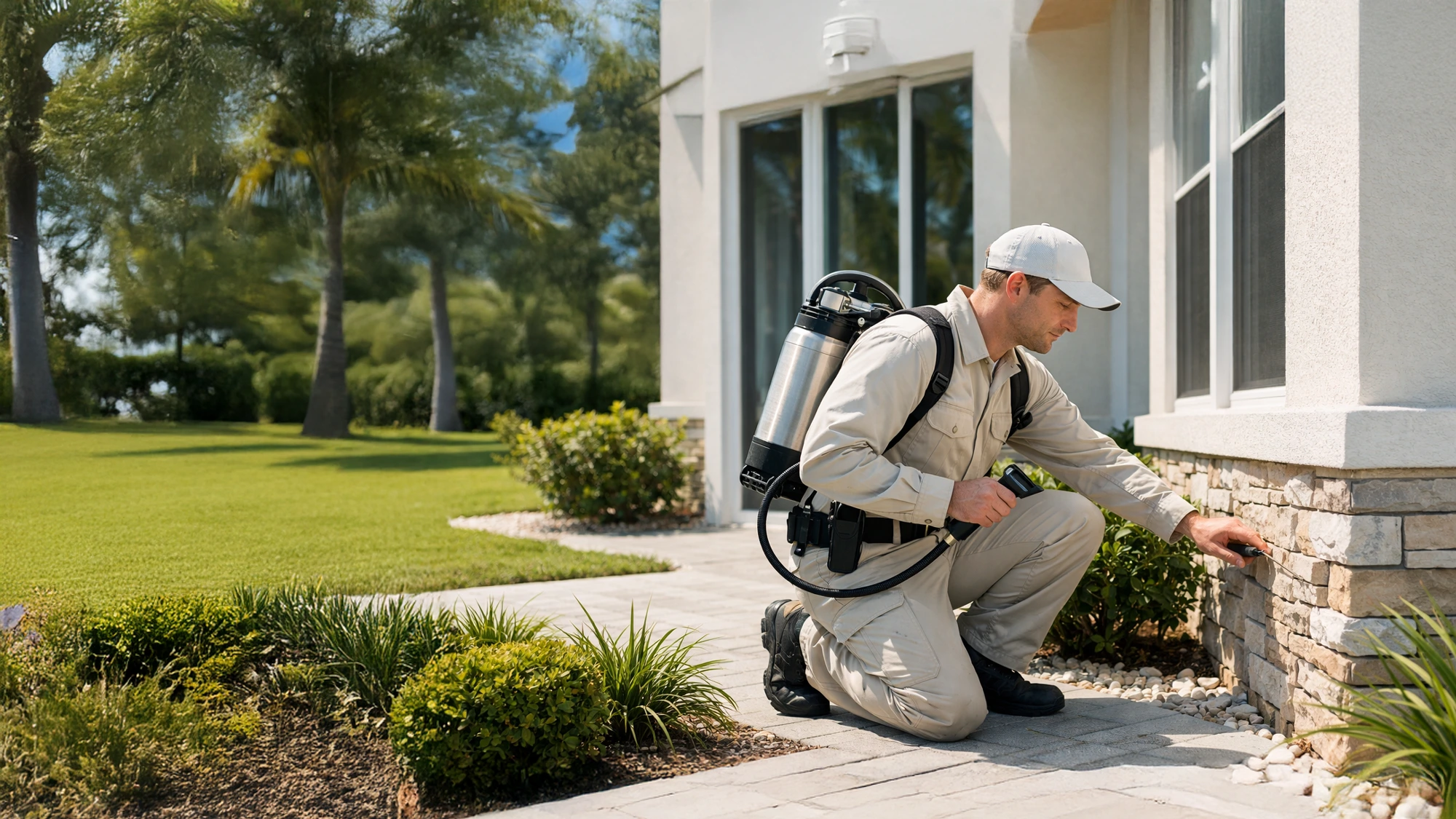
A thoughtful mosquito service begins with a walk-through rather than blanket assumptions. The provider identifies likely resting areas and conditions supporting activity, then recommends targeted measures that fit the site. Treatment can focus on appropriate shaded landscaping, perimeter zones, and outdoor spaces used regularly by residents.
A&A Total Pest Solutions offers mosquito control in Broward, Palm Beach, and Miami-Dade counties, including property inspections, targeted outdoor treatments, prevention guidance, and recurring service options when appropriate. The goal is to reduce mosquito pressure, not promise a completely mosquito-free yard. For broader outdoor pest pressure, see our exterior & perimeter pest treatment.
Always follow the technician's instructions about treatment areas, access, pets, and when to use the space again. Treatment details depend on the product, property conditions, and label requirements.
Can mosquito control help after heavy rain?
Rain can refill containers and create new sources of standing water. After storms, check problem spots again instead of assuming a previous cleanup is still enough. Recurring mosquito pressure is one reason ongoing prevention and, for some properties, repeat service can be useful.
For condo associations, rental properties, and other shared spaces, responsibility may be divided among multiple people. Property managers can help by establishing a consistent inspection schedule for common areas, landscaped sections, and drainage concerns.
Frequently asked questions about mosquito control
Does dumping standing water once solve a mosquito problem?
Usually not. New water can collect after rain or irrigation, and eggs may remain on container walls. Emptying and scrubbing weekly is more effective than a one-time cleanup.
Why are mosquitoes still biting if I have a clean swimming pool?
Mosquitoes may be coming from nearby containers, vegetation, or neighboring properties. A maintained pool does not eliminate other possible breeding or resting areas.
Is mosquito control worth it for a small yard?
It can be, particularly when bites keep residents from using the outdoor space. A professional can help determine whether the property has treatable resting areas or ongoing water issues.
Can mosquito treatments eliminate all mosquitoes permanently?
No outdoor service can guarantee that no mosquitoes will return. The realistic goal is to reduce activity through prevention and appropriate treatment.
Do I need mosquito prevention in the fall in South Florida?
Yes. South Florida's conditions can support mosquito activity beyond the summer months. Pay attention to rainfall, site conditions, and actual activity instead of treating fall as automatically mosquito-free.
Helpful resources
Get More Use From Your South Florida Outdoor Space
Your yard should be a place to relax, not somewhere you have to retreat indoors from constant bites. If regular cleanup has not made enough difference, A&A Total Pest Solutions can help assess mosquito activity and recommend a practical control plan for Fort Lauderdale and surrounding South Florida communities across our service area. Explore mosquito control or call 954-393-4088 to request service.